Featured Speakers
2026 Plenary Addresses
As the program evolves, we will have more news to share, check back often for updates

Presidential Address, Thursday, June 4 at 9:00-9:55am
Title: Including Students in Success: How Inclusive Climates Could Lead to a More Diverse Profession
There is a general agreement that the profession of psychology should work toward becoming more diverse to be more reflective of the constituents we serve. But how can that be achieved? We propose that an important first step to make sure that students facing barriers at the undergraduate level receive the support they need to continue in their education at the graduate level, and ultimately into the profession. In this session we will outline how creating inclusive climates at the undergraduate level can increase students' sense of belonging and success, and how this can be extrapolated to graduate training, and the profession of psychology at large. We will briefly cover the research we have done to support first year undergraduate students, and how this helps stem the loss of students as they progress through their education. We will also provide recommendations for how graduate programs, and the profession, can support retention, persistence, and success.
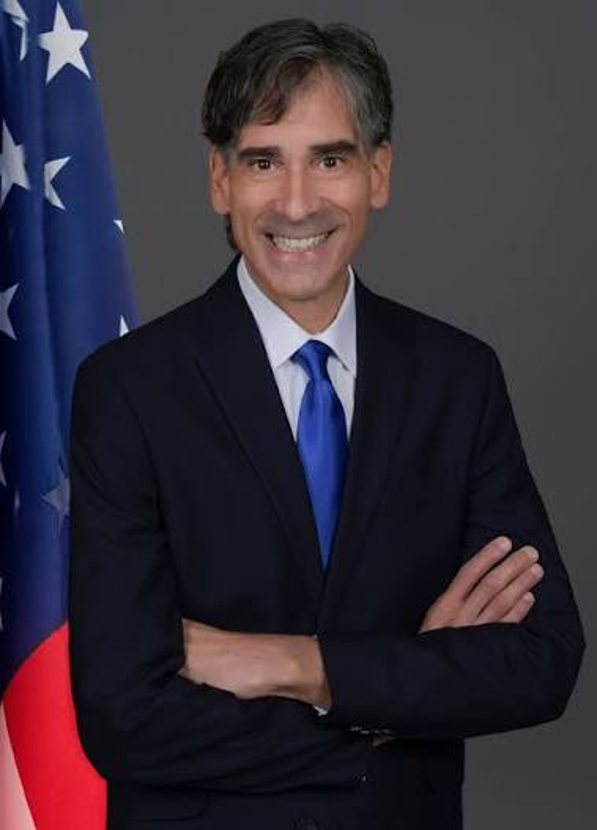
Steven M. Smith, PhD, CPA President 2025-2026; Professor of Psychology Saint Mary’s University, Halifax, NS
Dr. Smith is a Professor of Psychology at Saint Mary’s University (SMU), where he has held a series of progressively senior positions, including the Associate Dean, and subsequently Dean, of Science at SMU. He then served as Associate Vice President Enrolment Management and Acting University Registrar, where he implemented programs focused on student retention and student success. He has significant experience with various boards, and is accustomed to dealing with issues of policy and governance. Dr. Smith is an active researcher, pursuing projects in the areas of health promotion, student success, and forensic psychology.
Tom Brophy, MEd, AVP Student Affairs and Services, SMU
Tom Brophy has been working in Student Affairs and Services for over twenty-five years. Tom was also the Manager of Recruitment for the Provincial Public Service Commission and a Special Policy Advisor to the Minister of Health and Community Service in Newfoundland. Tom is currently the Associate Vice-President, Student Affairs and Services at Saint Mary’s University and the President for the Atlantic Association of College and University Student Services (AACUSS He has been an active research practitioner in doing provincial, national and international themed research which has resulted in numerous peer-reviewed journals and the recent publication of the monograph titled “The Evolving Landscape of Post-secondary Student Transitions in Canada: Striving for Best Practices”. Tom has a Bachelor of Education and a Master of Education Degree from Memorial University of Newfoundland.
Katelynn Carter-Rogers, PhD, Assistant Professor, St. FX
Dr. Katelynn Carter-Rogers is an Assistant Professor of Indigenous Business in the Gerald Schwartz School of Business at St. Francis Xavier University. A Michif scholar, she brings over a decade of experience as a social science researcher and consultant specializing in advanced statistics, research design, attitudes measurement, and student success. Her research program focuses on identifying and dismantling barriers to inclusion across organizations and institutions, with the goal of empowering vulnerable populations. By integrating Indigenous methodologies with social sciences, she bridges lived experience and academic research to design and evaluate interventions that support successful transitions and foster inclusive organizational practices.
Hailey Forbes, fourth-year Forensic Psychology student at SMU
Hailey Forbes is a fourth-year Forensic Psychology student at Saint Mary’s University (SMU) in Halifax, NS. Hailey will be entering her 5th year and completing her Honours degree in Forensic Psychology during the 2026-2027 academic year under the supervision of Dr. Skye Stephens. During her time at SMU, Hailey has been significantly involved in the campus community, holding a variety of roles. Hailey currently serves as the President of the SMU Psychology Society, as well as a Peer Success Coach for Accessibility in the Student Success Centre (SSC) for the second year in a row. Additionally, she worked as a Peer Educator for the Sexual Violence Prevention Initiative and volunteered as a research assistant (RA) in Dr. Skye Stephens Lab. Last year, Hailey’s leadership was recognized with the Student Leadership Recognition Award, which is only awarded to a few other students a year.
Beyond her academic involvement, Hailey works as a live events photographer and will be stepping into a newly created role for the SSC as the Media Coordinator. During her summers, she volunteers with Camp Triumph, a camp for children affected by chronic illness or disability in their families. In the future, Hailey plans to pursue a master’s degree in forensic psychology, with a career goal in risk assessment with children.

Dr. Stanley Asah
Professor and Canada Research Chair in Social Dimensions of Clean Technology, Dalhousie University.
Plenary Keynote Address, Thursday, June 4 at 1:00-1:55pm
Title: Essentially a Science of Practice: Psychology’s Roles and Opportunities in Sociotechnical Transition to Sustainability
As global efforts toward sustainability accelerate, the sociotechnical transition underway is often framed as a challenge of innovation and engineering. But, in this keynote, I will make the substantiated argument that our greatest challenge—and opportunity—is to understand and influence human behavior, including its antecedent cognitive, emotional, and social processes. It will be evidentially argued that overreliance on technological fixes—without commensurate coordinated efforts to understand and shift human behavior—has and will continue to slow, if not undermine, sustainability. Moreover, neglect of how people think, feel and act invites a cascade of unintended consequences, including resistance to relevant policies, inequitable distributions of benefits and burdens, and other “side effects” that are delaying and will continue to delay or derail transition to sustainability. So, I will make it self-evident—the reality that the underappreciated psychological science and practice are not peripheral but central to the sociotechnical transition to sustainability. I will examine the essential role of psychology in ensuring that sustainability transitions succeed not only technically but socially. Psychology, as a science of practice, offers evidence-based tools for fostering mindset shifts, collective efficacy, and behavioral adaptation at individual, organizational, and cultural levels. By integrating psychological insights into the design of technologies, sustainable policies, and communities, we can facilitate deeper engagement, adaptive resilience, and long-term cultural change. The talk concludes by envisioning a future where psychology serves as a bridge discipline to deepen, accelerate, and stabilize the sociotechnical transition to a sustainable future and the roles that we—psychologists of all subdisciplines and practices—must play in achieving that future.
Dr. Stanley Asah's research focuses on the social dimensions of clean technologies, emphasizing the role of human behavior in the adoption, diffusion, and social acceptance of these technologies.
His work includes:
- Exploring the adoption, retention, and diffusion of cleaner technologies.
- Investigating the social impacts, justice, and acceptability of these technologies.
- Developing behavioral change strategies and management practices to facilitate the adoption and diffusion of cleaner technologies.
- Conducting experiments to address clean technology-induced counter-productive behaviors.
- Contributing to the development of transformational pathways to reach net-zero greenhouse gas emissions in Canada.
Dr. Asah's research has been recognized with the Canada Research Chair position, reflecting his significant contributions to the field. His work is aimed at improving the understanding and influence of human behaviors in human- environment interactions, ultimately leading to better strategies for encouraging the acceptance and use of clean technologies.

Dr. Rebecca Pillai Riddell
Tier 1 York Research Chair in Pain and Mental Health and Professor of Clinical Developmental Psychology, York University
Plenary Keynote Address Friday, June 5 at 1:00-1:55pm
Title: Practicing Psychology Inclusively in the Digital Age
Most people practicing and researching mental health in regulated professions have been trained in ‘Western’, Eurocentric approaches to understanding well-being and healing. At the same time, technology is evolving at a pace that few psychology professionals can keep up with despite the increasing role it plays in the lives of ourselves, our participants, our patients, and our trainees. Understanding our responsibilities to practice inclusively in the digital age can be an overwhelming proposition, whether you are training in psychology right now or have decades of experience practicing. What do we actually need to know about evolving technology? Is generative AI our biggest competition for therapy clients? What does it mean to practice psychology inclusively?
Dr. Pillai Riddell will present insights from her journey through research, clinical practice, and training to support others embrace inclusivity and harness technology to build a better way forward in psychology.
Dr. Rebecca Pillai Riddell has made significant contributions to the field of psychology, particularly in the areas of pain and mental health. Her research has been pivotal in understanding the caregiver-child relationship and the impact of parental and child factors on early childhood pain reactivity and regulation. She has led research on the influence of these factors during routine vaccinations and has been involved in a collaborative health research project that utilizes artificial intelligence for infant pain assessment. Dr. Pillai Riddell's work has been funded by major Canadian research councils and has been recognized with several awards, including the President's Emerging Research Leadership Award from York University and the Canadian Pain Society’s Outstanding Mentorship Award. Her research has also been published extensively, contributing to the body of knowledge on the socio-behavioral dimensions of young children's pain.

Dr. Jonathan N. Stea
Clinical Psychologist and Adjunct Assistant Professor in the Department of Psychology at the University of Calgary.
Keynote Address, Saturday, June 6 at 10:00-10:55am
Title: Mind the Science: Saving Your Mental Health from the Wellness Industry
The wellness industry is currently valued at over $5.6 trillion dollars globally. A sizeable portion of the industry consists of alternative medicine products and services. But is the wellness industry really healing what ails us? Why do people turn to alternative medicine? What is the nature of mental-health related pseudoscience and misinformation? In this presentation, Dr. Jonathan N. Stea will shine a light on how mental health-related pseudoscience and misinformation have infiltrated popular culture, social media, and our healthcare systems themselves. For anyone who has had patients, clients or family members who have been touched by mental illness in any way, please join him for “Mind the Science: Saving your Mental Health from the Wellness Industry.” Dr. Stea will discuss the history and harm of the anti-psychiatry movement, and he’ll pull back the curtain on the history of the wellness industry and the devastating consequences of allowing pseudoscience promoters to target the vulnerable in our society. Finally, he’ll talk about making better informed decisions with a view toward improved science and mental health literacy.
Dr. Jonathan N. Stea is a full-time practicing clinical psychologist and an adjunct assistant professor in the Department of Psychology at the University of Calgary. He’s a two-time winner of the University of Calgary’s Award for Excellence in Clinical Supervision and co-editor of the book Investigating Clinical Psychology: Pseudoscience, Fringe Science, and Controversies. Dr. Stea has published extensively as a science communicator, with regular contributions to Scientific American and Psychology Today, among other outlets, and has appeared on numerous mainstream television and radio shows, as well as podcasts. He was the 2022 recipient of the John G. Paterson Award from the Psychologists’ Association of Alberta, an annual award presented for the exceptional contribution to portraying psychological knowledge to the public.
His new book, MIND THE SCIENCE: SAVING YOUR MENTAL HEALTH FROM THE WELLNESS INDUSTRY, received the 2024 Science Writers and Communicators of Canada Book Award. It aims to educate and embolden those who wish to make informed decisions about their mental health, to improve science and mental health literacy, and to pull back the curtain on the devastating consequences of allowing pseudoscience promoters to target the vulnerable within our society. It’s a must-have for readers of popular science who are curious to understand what mental health really means, or who have been touched by mental illness in some way. It provides readers with a science-backed takedown of pseudoscience, as well as an understanding of its evolution, seduction, and solution. In part, this involves exposing the mental health misinformation that pervades healthcare, pop culture, social media, and the wellness industry.
The History of Addictions
Dr. Louise Nadeau, Université de Montréal, Emeritus
Section Featured Speaker Address
June 4, 2026
Addiction Psychology
The Greek and Jewish traditions knew about passion and its devastating effects. They also understood the deleterious consequences of substance abuse. Pascasius published in 1561 a monograph on the disease model of pathological gambling. Very modern in his view, some scholars see him as the father of cognitive therapy. His work was forgotten. His rediscovery situates the history of the disease model of addictions in 1561. What were Canadian scientists doing while the US and UK were subsidizing large studies on treatment effectiveness in addictions? They were validating treatment effectiveness, exploring co-occurring disorders and looking at traumatic stress disorders among persons in treatment for an addiction. In the last decade, the availably of synthetic opioids has changed the black-market and is causing a high-rate of overdose deaths-more than 52 000 deaths since 2016. All Canadians are at risk given the powerful properties of these drugs. About a decade ago, Internet was made available worldwide. Many papers described the deleterious effects of long screentime on child development. Online gambling has increased as has youth betting. Publicity on social networks and advertising is difficult to stop. Private or unlicensed operators use the risk-taking propension of adolescent brains. There is a dearth of prevention programs in this country that aim at specific small groups.
Louise Nadeau, Professor Emeritus of the Department of Psychology, Université de Montréal, was awarded the Order of Canada (2018) and the Ordre national du Québec (2017). She is an elected fellow of the Canadian Academy of Health Sciences (2016) and the Royal Society of Canada (2015). Dr. Nadeau's research focused on the prediction of recidivism among high-risk drivers under the influence, on co-occurring disorders in the addictions, gambling and Internet addiction. She works presently on the history of the addictions, a publication of 1561 having changed the history of the disease model of addictions.
Louise Nadeau was, among other boards, vice-chair of the Canadian Institutes of Health Research Governing Council (2000-2006) and a member of the Conseil de l'Université de Montréal (2016-2020), the Institut national d'excellence en santé et en services sociaux (2010-2018), the CIHR HIV/AIDS Research Initiative (2013-2016) and its Advisory Committee of the Institute of Neurosciences, Mental Health and Addiction (2008-2013).
Dr. Nadeau was awarded, among others, the Prix du Québec Marie-Andrée Bertrand 2012, the most prestigious award by the Gov. of Québec in science; Prix Pierre-Dansereau 2013 for the social commitment of a scientist by l'ACFAS; Prix de la Ministre in graduate teaching (2022). She was the Personality of the Week in La Presse (2012.12.31) and her photo stood at the metro Place d'Armes.
Psychology’s role in mental health care for long-term care residents in Canada: Perspectives, lessons learned, and recommendations
Dr. Marnin Heisel , Western University.Co-Presenting Authors: Dr. Eden Champagne, Kelsey Haczkewicz, Dr. Natash Gallant
Section Featured Speaker Address
June 4, 2026
Aging & Geropsychology
As Canada's population continues to age, the demand for long-term care rapidly grows. Long-term care homes were designed to address the medical needs, rather than the psychosocial needs, of long-term care residents. With this demographic shift, we therefore need innovative approaches to ensure that long-term care homes are prepared to meet the unique and varied mental health needs of long-term care residents. In this panel session, we will hear from a clinical psychologist (Dr. Heisel), a dance/movement therapist and interdisciplinary scholar (Dr. Champagne), and a doctoral student in clinical psychology (Haczkewicz) who are working to support resident mental health. Programs of research span diverse topics, including staff suicide risk detection and response (Dr. Heisel), dance/movement therapy programs (Dr. Champagne), and palliative approaches to care (Hackzewicz) for long-term care residents. Speakers will describe their approach to their work in long-term care settings, lessons learned from their long-term care experiences, and recommendations for future research, practice, and policy directions. By the end of this panel session, attendees will gain a more comprehensive understanding of the unique and varied mental health needs of long-term care residents and ways in which mental health professionals and trainees are working to improve resident mental health outcomes.
Dr. Marnin Heisel is a Clinical Psychologist and Full Professor in the Departments of Psychiatry and Epidemiology & Biostatistics at Western University and a Scientist with the London Hospitals' Research Institutes. His research focuses on the promotion of psychological well-being and prevention of suicide among older adults and other at-risk groups. He has published over 100 research articles, book chapters, and knowledge translation tools, and has received funding and career awards for this work from the American Foundation for Suicide Prevention, Canadian Institutes of Health Research, Employment and Social Development Canada, Movember, Ontario Mental Health Foundation, Ontario Ministry of Research and Innovation, and Social Sciences and Humanities Research Council. A Fellow of the Gerontological Society of America and the International Society for Affective Disorders, Marnin has served on various boards focusing on aging, mental healthcare, and suicide prevention. He is a former Canadian National Representative to the International Association for Suicide Prevention, former Chair of the Canadian Psychological Association's Aging and Geropsychology Section, former Secretary of the American Association of Suicidology, and former Vice President and Research Committee Chair of the Canadian Association for Suicide Prevention. He has recently proposed the creation of a new CPA Section on Suicide Prevention.
Between Perpetual Foreigner and Model Minority: Why Many Asian Youth Experience Lower Happiness?
Dr. Xu Zhao, University of Calgary
Section Featured Speaker Address
June 4, 2026
Asian Psychology
Recent data highlight elevated mental health risks among Asian Canadian and American youth, including a doubling of self-reported "fair/poor" mental health from 12% in 2019 to 26% in 2023 among Canadian adolescents (Statistics Canada, 2025), and higher suicide attempt rates among Asian American high schoolers (CDC, 2024). Public discourse often reduces these disparities to "tiger parenting" or inevitable costs of the model minority stereotype, rarely examining deeper sociocultural, historical, and biological influences. In this presentation, I draw on empirical research and my lived experiences as a Chinese immigrant and a cultural psychologist researching youth development to explore why Asian youth face disproportionate mental health burdens. My presentation will examine eight related themes:
- perpetual foreigner syndrome and belongingness threats
- pressures of the model minority myth
- intergenerational transmission of historical trauma
- limited civic and community engagement
- parentalization and role reversal in immigrant families
- parental sacrifice narratives and the cultural value of "eating bitterness" (chi ku)
- normative emotional restraint and suppression
- genetic and epigenetic influences on stress responseBy synthesizing sociocultural, historical, and biological perspectives, this talk aims to move beyond simplistic explanations and offer culturally grounded pathways for clinical practice, prevention, and policy in Canadian and North American contexts.
Dr. Xu Zhao is an Associate Professor and Research Excellence Chair at the University of Calgary. Her research has three primary goals: (1) to understand the psychological and sociocultural risk factors that threaten the positive development of school-aged youth, (2) to identify protective factors that foster resilience, and (3) to develop intervention strategies that protect and promote youth well-being. She conducts empirical research in China and Canada and engages in scholarly discussions on how macro-level cultural narratives and educational policies affect micro-level parenting practices and youth development. Dr. Zhao is the author of Competition and Compassion in Chinese Secondary Education (Palgrave Macmillan, 2015). Her work has been featured in international media, including The Washington Post, Education Week, and Voice of America. She earned her doctorate in Human Development and Psychology from Harvard Graduate School of Education and was the 2021 Chen Yidan Visiting Global Fellow at Harvard University.
From Crisis to Capacity: A National Vision for Black Psychology in Canada Through Strengthening Research, Training, and Service Infrastructures
Dr. Jude Mary Cénat, University of Ottawa
Section Featured Speaker Address
June 4, 2026
Black Psychology
Drawing on empirical studies and theoretical models from the V-TRaC Lab at the University of Ottawa, this presentation advances a national vision of Black psychology as a field essential to understanding, preventing, and treating racial mental health inequities and racism in psychological care in Canada. Findings point to a mental health crisis in Black communities, with high rates of depression, anxiety, post-traumatic stress, suicidal ideation, and related conditions. Repeated racial discrimination - from daily microaggressions to overt institutional racism across systems - emerges as a robust predictor of this crisis beyond traditional sociodemographic factors. The presentation supports recognition of racial trauma as a core construct that captures the chronic, multigenerational, and intersectional effects of racism on mental health, identity, and social functioning. Qualitative results highlight major systemic barriers to mental health care, including institutional mistrust, cultural incongruence of services, and the underrepresentation of Black psychologists. Together, the evidence underscores the urgent need for structures that can strengthen Black psychology nationwide as a critical pathway to reducing mental health disparities, advancing antiracist and culturally safe care and reinforcing research, training, and service infrastructures in Black psychology across Canada.
Jude Mary Cénat, Ph.D., M.Sc., C.Psych., is a clinical psychologist and Full Professor at the School of Psychology, Director of the Interdisciplinary Centre for Black Health and the Vulnerability, Trauma, Resilience and Culture Research Laboratory (V-TRaC Lab) at the University of Ottawa. He also holds the University of Ottawa Research Chair on Black Health. His research program explores factors associated with vulnerability, trauma, and resilience, with a particular interest in the role of cultural factors, racial disparities in health and social services, and global mental health. He conducts research in North America, Europe, Africa, and the Caribbean. He leads major projects on the mental health of Black communities in Canada, documenting for the first time the prevalence and related factors of depression, anxiety, PTSD, psychosomatic symptoms, and other mental health issues among Black people in Canada. With his team, he has also developed online trainings (through the bilingual platform https://santementalpourtous.ca / https://mentalhealthforveryone.ca) aimed at equipping mental health professionals to provide culturally responsive and anti-racist care. Dr. Cénat is also a member of the College of New Scholars, Artists and Scientists of the Royal Society of Canada.
A role for music in cognition and action: Individual differences, group dynamics, and pain
Dr. Caroline Palmer, Dr. Caroline Palmer, McGill University
Section Featured Speaker Address
June 4, 2025
Brain and Cognitive Science
What do individual differences in movement, group dynamics that arise from interactions among individuals, and pain sensation have in common? Music interacts with each of these behaviors in systematic ways. Individual differences in the rhythmic movements that people make are related to internal neural oscillations; the natural frequencies of those oscillations can account for a range of human behaviors, from pain perception to group synchronization. I will present findings from experimental studies of 1-, 2-, and 3-person tasks as individuals produced musical sound either by themselves (maintaining a regular rhythm) or in groups (synchronizing with partners). Behavioral, physiological, and neural differences among individuals support the idea that group dynamics arise from a complex but systematic interaction of individual differences.
Caroline Palmer is a Distinguished James McGill Professor in the Department of Psychology at McGill University. She is internationally acclaimed for her interdisciplinary research in auditory cognition; she has held the Canada Research Chair in Cognitive Neuroscience of Performance and has directed two NSERC-Create training networks. Her studies address how complex acoustics communicate information among musicians, speakers, and listeners.
A role for music in cognition and action: Individual differences, group dynamics, and pain
Dr. Miriam Beauchamp, Université de Montréal
Section Featured Speaker Address
June 4, 2025
Brain and Cognitive Science
What do individual differences in movement, group dynamics that arise from interactions among individuals, and pain sensation have in common? Music interacts with each of these behaviors in systematic ways. Individual differences in the rhythmic movements that people make are related to internal neural oscillations; the natural frequencies of those oscillations can account for a range of human behaviors, from pain perception to group synchronization. I will present findings from experimental studies of 1-, 2-, and 3-person tasks as individuals produced musical sound either by themselves (maintaining a regular rhythm) or in groups (synchronizing with partners). Behavioral, physiological, and neural differences among individuals support the idea that group dynamics arise from a complex but systematic interaction of individual differences.
Miriam Beauchamp, PhD is a neuropsychologist, Full professor in the Department of Psychology at the Université de Montréal and Head of the Brain & Development Axis at the Sainte-Justine Hospital Azrieli Research Center. She holds the Canada Research Chair in Pediatric Traumatic Brain Injury (TBI). With her research group (ABCs Laboratory, www.abcs.umontreal.ca), she conducts clinical research projects aimed at better understanding the diagnosis, prognosis and consequences of pediatric TBI and concussion, as well as validating intervention and prevention programs. Her research at the crossroads of social neuroscience and neuropsychology also contribute to the development of new assessment and intervention methods in social cognition, including dynamic, immersive technologies such as digital health apps, virtual reality, and serious video games. These efforts have led to numerous knowledge transfer initiatives for the general public, such as the COCO early childhood concussion platform (www.coco.umontreal.ca) and the validation of several neuropsychological measures.
In 2017, she received the Prix du Québec Relève scientifique, the highest distinction awarded by the Quebec government for an early-career scientist. She has received Early Career Awards from the International Neuropsychological Society (2015) and the International Brain Injury Association (2017). In 2019, she was named to the Royal Society of Canada's College of New Researchers and Creators in Arts and Science, she was awarded the Quebec-Belgium Research Chair, and received the Expertise & Compétence award at the CHU Sainte-Justine recognition gala. In 2024, she was awarded the Brenda Milner Prize from the Quebec Association of Neuropsychologists (AQNP) and in 2025, she received the Effervescence Innovation prize for her work in digital health. In 2025, she was elected as the incoming President of the International Neuropsychological Society.
Closing the Gap: Leveraging Digital Health to Improve Pain and Psychological Outcomes in Youth and Adults Living with Chronic Disease
Dr. Nicole Alberts, Concordia University
Section Featured Speaker Address
June 4 2025
Clinical Psychology
Individuals living with chronic diseases often experience acute and chronic pain alongside co-occurring psychological disorders. Although psychological interventions can effectively address these challenges, many individuals cannot access them due to barriers such as cost, geographic distance, and a shortage of trained providers. Digital health approaches - including electronic health (eHealth) and mobile health (mHealth) tools - offer promising ways to overcome these barriers and expand access to evidence-based psychological care. In this presentation, Dr. Alberts will share her recent research on leveraging wearable, web-based, and app-based digital health interventions to improve pain and psychological outcomes among youth and adults living with chronic diseases. Special focus will be given to developing and testing digital interventions for individuals on-treatment or surviving childhood cancer, adolescents with chronic illnesses, and youth with sickle cell disease. The role of user-centered design and healthcare provider input in developing effective, multi-level digital health interventions will also be explored. Future directions for improving pain and psychological outcomes across the lifespan using engaging and sustainable digital health interventions will be discussed.
Dr. Nicole Alberts is an Associate Professor and Canada Research Chair (Tier 2) in Behavioural Health Intervention at Concordia University in Montréal. Following her graduate and post-graduate training at the University of Regina and the University of Washington School of Medicine respectively, she joined the Department of Psychology, St. Jude Children's Research Hospital in Memphis, TN as an Assistant Member and Attending Psychologist. In 2020, she joined the Department of Psychology at Concordia.
Dr. Alberts has established herself as an expert in pain and childhood cancer as well as in the use of digital health interventions among medical populations. She has been recognized through a variety of awards and honours including the Childhood Cancer Survivor Study Career Development Award, and the Canadian Association of Psychosocial Oncology Early Career Investigator Award. To date, her scholarly work has resulted in 61 publications, 3 book chapters, and 14 invited talks.
She is currently funded through the Canadian Institutes of Health Research, the Canada Research Chair's Program, and the Canadian Foundation for Innovation to lead a program of research focused on improving behavioural health and psychological outcomes among individuals across the lifespan - with an emphasis on those diagnosed with catastrophic and chronic diseases, including childhood cancer. Within this work, she leverages digital health approaches to answer key research questions and to develop and test innovative interventions targeting pain and psychological outcomes.
Care and Reconciliation in Action: Indigenous Knowledges and Approaches to Safe, Effective Counselling for and with Indigenous Peoples
Dr. Mikaela Gabriel, Centre for Urban Health Solutions, Unity Health Toronto
Section Featured Speaker Address
June 4, 2026
Counselling Psychology
While Indigenous history and realities are continuing to surface among Canada, the realities and impacts to mental health care and delivery. Systemic racism, economic barriers, and the still-enduring effects of colonization compound Indigenous realities and experiences to frightening trends: overrepresentation among the visibly homeless on urban centres; complex health intersections; and distrust of Western service providers. As the fastest growing population in Canada, and the first care takers of Canada, we have an ethical obligation to equip our interventions to better guide cultural safety and treatment. This session looks at our ethical obligations for Indigenous mental health and advancing our understanding; relevant colonial history and how it arises in session; trauma-focused formulations; cultural intersections to interventions; case examples; and insights for practice.
Dr. Mikaela D. Gabriel is an Italian-Mi'kmaq clinical and counselling psychologist, scientist, professor, and auntie. She holds a Canada Research Chair in Indigenous Women & Two-Spirit Mental Health and Homelessness, and is a Research Scientist at Unity Health Toronto across Well Living House & MAP Centre for Urban Health Solutions. Her clinical and research efforts seek to provide culturally-centered, trauma-focused, and ceremonially enriched care for Indigenous Peoples in urban settings navigating housing, healing, and health.
Family and Peer Relationships of Children and Adolescents with Neurodevelopmental Disorders: Assessment and Intervention
Prof. Judy Wiener, School & Clinical Child Psychology Department of Applied Psychology & Human Development OISE/University of Toronto
Section Featured Speaker Address
June 4, 2026
Educational and School Psychology
In this presentation a transdiagnostic approach is used to understand family and peer relationships of children and adolescents with neurodevelopmental disorders (ND) and to describe assessment and intervention strategies. First, the transdiagnostic characteristics (e.g., academic achievement, social skills, self-regulation, mental health) of youth with ADHD, learning disabilities, autism and intellectual disabilities that affect their family and peer relationships are described. Second, research on family resilience, and research showing that parents of ND youth experience high levels of stress that affects family dynamics and that ND youth and their families are differentially susceptible to negative environmental factors (e.g., COVID-19, digital technology) is synthesized. Third, research on peer relationships of ND youth that shows that they are at risk for peer rejection, peer victimization, and difficulties with acquiring friendships is reviewed. The individual (e.g., social skills, self-regulation) and environmental (e.g., inclusive classrooms) factors that predict peer relationships are discussed. Lastly, evidence-based interventions that improve family and peer relationships and directions for assessment, intervention and research are described.
Judy Wiener is Professor Emerita of School and Clinical Child Psychology in the Department of Applied Psychology and Human Development at OISE/University of Toronto. Dr. Wiener has done research on self-perceptions, family and peer relationships of children and adolescents with ADHD and learning disabilities and the efficacy of school-based and mindfulness interventions for these youth. Her primary clinical expertise is assessment and psychosocial interventions with children and adolescents with learning disabilities and ADHD, and immigrants and refugees. Judy was previously President of the International Academy for Research in Learning Disabilities and Chair of the Educational and School Psychology Section of the Canadian Psychological Association. She has received several teaching awards from the University of Toronto and life-time achievement awards from the Canadian Psychological Association and the Section for Psychologists in Education of the Ontario Psychological Association. She has published over 100 book chapters and articles in peer-reviewed journals. She co-authored a book published by Springer Publishers entitled Psychological Assessment of Culturally and Linguistically Diverse Children and Adolescents: A Practitioner's Guide and has recently written and edited a book entitled Family and Peer Relationships of Children and Adolescents with Neurodevelopmental Disorders: Assessment and Intervention that was published by Springer Nature.
Making Sense of Eco-Anxiety: An Integrative and Multidimensional Perspective
Anne-Sophie Gousse-Lessard, University of Quebec at Montreal
Section Featured Speaker Address
June 4, 2026
Environmental Psychology
Eco-anxiety has gained increasing attention as a psychological response to contemporary environmental crises, yet it is often framed primarily as an individual mental health issue. In this talk, I propose a broader and integrative perspective, conceptualizing eco-anxiety as a multidimensional psychosocial phenomenon shaped by environmental threats, social relations, political contexts, and communication processes. Drawing on a series of empirical studies conducted in Québec, I examine how different dimensions of eco-anxiety relate to mental health, wellbeing, and engagement in the face of socio-environmental disruptions. Its existential, social, and relational facets will be explored, along with their links to hope, worldviews, and ways of imagining the future. Beyond empirical findings, the talk aims to reflect on how eco-anxiety is discussed, negotiated, and sometimes contested in interpersonal interactions, media narratives, and public discourse, while highlighting the value of systemic and interdisciplinary perspectives. Overall, the presentation aims to open a discussion on eco-anxiety not only as an individual experience, but also as a meaningful signal of broader social, political, and communicational dynamics at play in a rapidly changing world.
Anne-Sophie Gousse-Lessard is a Professor in the Department of Psychology at Université du Québec à Montréal (UQAM) and an Adjunct Professor at UQAM's Institute of Environmental Sciences. Her research is situated within social and environmental psychology. She is the co-director of the Interdisciplinary Research Group on Eco-Emotions and Citizen Engagement (GIREEC), which she founded in 2020. She is also a member of several research groups and networks, including the InterSectoral Flood Network of Québec (RIISQ). Her work focuses on the motivational and psychological processes underlying environmental engagement, as well as on the psychosocial impacts of climate change. She has a particular interest in eco-anxiety, collective action, and car dependency in the context of socio-ecological transition.
What About Fathers? An Attachment Perspective on Father-Child Relationship
Dr. Jean-Francois Bureau, University of Ottawa
Section Featured Speaker Address
June 5,2026
Family Psychology
What counts as an attachment relationship, and who can serve as an attachment figure, has evolved considerably since the early days of attachment theory. For decades, mothers were regarded as the primary, if not exclusive, figures toward whom children formed attachment bonds. Although pioneering work by scholars such as Michael Lamb in the 1970s began to challenge this assumption, attachment relationships to fathers have remained comparatively underexamined since the inception of attachment theory. Indeed, fathers constitute only about 10% of caregivers included in attachment research, a proportion that has remained relatively stable across decades. Nonetheless, important conceptual and empirical advances in recent years have substantially deepened our understanding of father-child attachment. In this presentation, I will review the state of the father-child attachment literature. I will begin by situating this body of work within its theoretical and historical context. Next, I will review evidence demonstrating fathers' capacity for sensitive caregiving and their ability to foster secure attachment relationships with their children. I will then examine the antecedents and developmental sequelae of father-child attachment security and insecurity. Finally, I will identify persisting gaps in the literature and discuss implications for research and intervention.
Dr. Jean-François Bureau is a professor in the School of Psychology at the University of Ottawa. Dr. Bureau completed his Doctoral degree at the Université du Québec à Montréal in 2005 under the supervision of Dr. Ellen Moss. He obtained a post-doctoral internship at Harvard Medical School where he studied family relationships and the development of psychopathologies in adolescence. He began his career at the University of Ottawa in 2007. For many years, he has focused on understanding parent-child attachment relationships, with particular emphasis on fathers and their preschool- and school-aged children. He is the lead trainer for the Preschool Attachment Coding System and is widely regarded as one of the foremost experts in this area. He has accumulated hundreds of hours of observational recordings of mother-child and father-child dyads, collected both in laboratory settings and in families' homes. He also studies the role of attachment in the development of non-suicidal self injury in youths, and more recently, the association between family dynamics and climate distress in adolescents. He is the author of over 100 peer-reviewed publications, which have been widely cited (h-index = 42). His work has important clinical applications in the assessment of family dynamics.
Applying Artificial Intelligence to Promote Health and Well-Being in Older Adults
Dr. Samira A. Rahimi, McGill University
Section Featured Speaker Address
June 5,2026
Health Psychology and Behavioural Medicine
Older adults experience a growing burden of health challenges that affect physical, mental and well-being. Existing approaches to prevention and early identification often rely on health evaluations that happen occasionally (for ex, during periodic clinic visits or scheduled check-ins) rather than through continuous monitoring. AI offers opportunities to enhance health through scalable, data-driven, & personalized strategies that support aging populations. Rahimi's research lab applies machine learning and AI techniques to analyze multimodal health data, including clinical records, wearable sensor-based data, and self-reported behavioral information. We focus on developing & evaluating AI-enabled approaches for early risk id, monitoring of health-related patterns, & design of age-inclusive tools that are accessible & acceptable to older adults. Current analyses explore the feasibility, performance, & user experience of these AI approaches across research & real-world settings. Detailed findings & illustrative examples from variety of studies including early detection of cardiovascular diseases & depression among older adults will be presented and discussed during this talk. Our work contribute to the development of responsible AI applications, informs future research and policy, and supports strategies aimed at promoting healthy aging at scale.
Dr. Samira A. Rahimi, B.Eng, PhD, is a Canada Research Chair (Tier II) in AI and Advanced Digital Primary Health Care. She is an assistant professor at McGill University, Co-Director of McGill's Collaborative for AI and Society (McCAIS), and an Associate Academic Member of Mila - Quebec AI Institute. She also serves as Research Co-Director of the General Practice Residency (GPR) program in dentistry at the Jewish General Hospital.
Thinking from Canada: History, theory, and qualitative inquiry
Dr. Dennis C. Wendt, McGill University
Section Featured Speaker Address
June 5,2026
History, Theory, and Qualitative Inquiry in Psychology
This address builds on a session held earlier at the APA Division 24 midwinter meeting in Toronto, reflecting on the distinct role Canada has played in shaping theoretical and qualitative psychology in North America. From the intellectual hubs at Simon Fraser, York, and beyond, Canadian scholars have advanced interpretive, relational, and critical traditions that have profoundly influenced how psychology understands meaning, method, and ethics-often without being acknowledged as distinctly Canadian. This work has been enabled by French-English bilingualism, a resurgence of Indigenous scholarship, and public institutional cultures, fostering pluralism, reflexivity, and dialogue across epistemic borders. Historically, Canada has been closely allied with the United States yet positioned itself as a subtle counter-culture, importing, adapting, and at times quietly resisting American mainstream psychology. At a moment when the U.S.-Canada relationship has been tested by Trumpism, tariffs, and political turbulence, this history of critical engagement takes on renewed relevance. Looking forward, the dynamics between Canadian and American psychology-and the countries themselves-may generate both opportunity and tension. This address asks: what does it mean to think from Canada rather than merely in it, recognizing the country not as periphery or bridge, but as a distinctive and formative site for theory, history, and qualitative inquiry in its own right.
Dennis C. Wendt is an Associate Professor and William Dawson Scholar in the Department of Educational and Counselling Psychology at McGill University, where he directs the Cultural and Indigenous Research in Counselling Psychology (CIRC) research group. He also is an Associate Member of the Department of Psychiatry at McGill University, and he holds a research fellowship from the Fonds de recherche du Québec. He received a PhD in Clinical Psychology from the University of Michigan, followed by a postdoctoral research fellowship at the University of Washington School of Medicine. For the past 15 years, he has collaborated with Indigenous communities in Canada and the United States in exploring, developing, and evaluating culturally relevant interventions pertaining to mental health, substance use health, and community wellness. His work is published in over 50 articles in peer-reviewed journals such as American Psychologist, Journal of Consulting and Clinical Psychology, and Psychology of Addictive Behaviors, and he is the recipient of several early career research awards in qualitative inquiry and theoretical psychology from the American Psychological Association.
Weaving Our Stories of Reciprocity to Strengthen Psychological Research and Care: A Conversation Circle with Dr. Christopher Mushquash
Section Featured Speaker Address
June 5, 2026
Indigenous Peoples’ Psychology
Topic of discussion: Reciprocity holds different meanings and is shaped by culture, experience, relationships, and context. To engage in reciprocity means practicing an everyday ethic of considering how our actions and thoughts contribute to the wellness of the people, communities, nations, non-human kin, and lands we engage with today, and those who may feel the impacts of our influence for generations to come. Reciprocity also requires questioning assumptions about who is considered the learner and who is considered the holder of expertise. Novelty: Reciprocity has the potential to transform the ways we conduct research and provide care in psychology. Given the Indigenous Peoples Section's focus on reciprocity, this conversation circle will offer an opportunity to gather to deepen and extend this dialogue by weaving our perspectives together. Purpose: In this circle, we will weave our understandings of reciprocity together to develop a fuller sense of how reciprocity can strengthen psychological research and care in Indigenous communities and beyond. Through story-sharing, we will explore the importance of reciprocity and the risks that arise when it is absent; consider ways to enact everyday reciprocity; and reflect on how reciprocity extends to our non-human kin. Attendees will be invited to share their perspectives. Relevance: This conversation circle will foster ongoing reflection on how the discipline of psychology can nurture an ethic of reciprocity to strengthen research and clinical practice with Indigenous communities in Canada.
Christopher Mushquash, HBSc., M.A., Ph.D., LL.D. (h.c.), FRSC, C.Psych. (Ontario), is Anishinawbe (Ojibway), and a member of Pawgwasheeng (Pays Plat First Nation). He began his academic career at Lakehead University in September 2011 and is a Full Professor in the Department of Psychology, and the Northern Ontario School of Medicine University, Clinical Psychologist at Dilico Anishinabek Family Care, Vice President Research at the Thunder Bay Regional Health Sciences Centre, Chief Scientist and Chief Operating Officer at the Thunder Bay Regional Health Research Institute, and Director of the Centre for Rural and Northern Health Research at Lakehead University. Dr. Mushquash was inducted as a Fellow of the Royal Society of Canada in November 2025. He is a Tier 1 Canada Research Chair in Indigenous Mental Health and Addiction, with expertise in rural and northern clinical practice and the development of culturally appropriate interventions for mental health and addiction difficulties in First Nations children, adolescents, and adults. Dr. Mushquash previously served as the chair of the CIHR Institute of Indigenous Peoples' Health Institute Advisory Board. During the COVID-19 emergency, he was appointed to the Ontario COVID-19 Science Table and Co-Chaired the Mental Health Working Group. In December 2022, he was named to the Ontario Public Health Emergencies Science Advisory Committee. Through these, and other appointments, he champions at national, provincial, regional, and local levels, culturally and contextually-appropriate mental health and addiction services for First Nations peoples, and rural and northern communities. He has 120 peer-reviewed articles, 6 peer-reviewed book chapters, and 62 other reports, articles, commentaries, and non-peer-reviewed publications. In 2023, Dr. Mushquash received the Canada Gairdner Momentum Prize and the Indspire Award in Health.
Enhancing optimal performance at work using self-determination theory: Antecedents, processes, consequences, and interventions related to the increase of high-quality of motivation at work
Section Featured Speaker Address
June 5, 2026
Industrial and Organizational Psychology
Background/Rationale: Organizations and societies increasingly seek evidence-based strategies to foster well-being and sustainable performance. Our work responds by examining how autonomy-supportive practices, need-satisfying environments, and positive technologies shape psychological and physiological functioning across workplaces, sports, healthcare, and public policy.
Methods: We employed randomized controlled trials, longitudinal and observational designs, scale development and validation, psychophysiological assessment, and mixed-methods approaches.
Results: Across studies, autonomy support, strengths use, and need satisfaction consistently improved well-being, engagement, ethical conduct, creativity, and team functioning, while controlling or incentive-heavy contexts predicted deviance, distress, and reduced performance.
Conclusions: Motivation quality-not quantity-drives thriving across domains, jobs and populations.
Action/Impact: Our findings informed digital interventions, leadership programs, coaching protocols, measures of societal functioning, mental-health monitoring tools, and policy-relevant insights (e.g., tax compliance), demonstrating scalable, evidence-based pathways to healthier and more effective systems.
Jacques Forest is a registered organizational psychologist (recipient of the 2024 professional award) and a Certified Human Resources Professional (CHRP; he received the Fellow distinction in 2022). He is a full professor at ESG UQAM, the biggest French-speaking business school in the world. For the past 18 years, he has published 73 scientific articles and 20 book chapters, cited more that 13 000 times, in addition to giving 304 media appearances and delivering over 789 corporate presentations and training sessions in 12 different countries. He is the co-author of the best-selling book "The ABC of work motivation: How to energize any organization."
If Contact Theory is a Question, then What is the Answer? Indirect Ethnography and the Search for Solutions
Section Featured Speaker Address
June 5, 2026
International and Cross-Cultural Psychology
Despite the important role that anthropology played in early research on intercultural communication and cross-cultural psychology, and despite the fact that the vast majority of knowledge produced by anthropologists depends on the dynamics of intercultural encounters, anthropologists are more interested in the complexity of specific cultural communities than they are in the interactions between groups. This may explain why anthropologists are unaware that the field of cross-cultural psychology has developed a general theory of intercultural communication that spans more than 75 years, building from Allport's important early work on prejudice. After a general introduction to the paradoxical nature of anthropology's relationship with the field of intercultural communication, I will discuss how psychological work on contact theory may contribute positively to debates within anthropology and more broadly across the social and psychological sciences. Finally, I will present a new methodology, called "indirect ethnography," that anthropologists in Québec have developed to facilitate the documentation of intercultural dynamics in rapidly diversifying urban settings and to develop tools for designing intervention strategies for influencing intercultural policy in local government. Implications of the approach for applied social science research on intercultural relations are discussed
Bob W. White is a Full Professor in the Department of Anthropology at the Université de Montréal and Director of the Laboratory for Research on Intercultural Relations (LABRRI). Since 2012, he has led a multi-sector research partnership on the dynamics of inclusion in urban space in Montreal. He is the coordinator of the Québec Network of Municipalities in Immigration and Intercultural Relations (RÉMIRI), and a member of the G3 inter-university research network on migration (Université de Montréal, University of Geneva, Université libre de Bruxelles). His current research is dedicated to the development of a general theory of intercultural communication.
Improving Access to Hope, Meaning & Connection Through Systems of Care
Section Featured Speaker Address
June 5, 2026
Psychologists and Retirement
As the Canadian population ages, investing in mental health supports is vital to fostering resilience and well-being among older adults. This life stage, while often transformational, can also bring significant stressors that diminish hope, meaning, and connection. Integrative care networks which combine psychological, recreational, and spiritual support, play a crucial role in improving access to these essential elements of well-being. By addressing barriers and coordinating care, interdisciplinary teams help older adults overcome social isolation, rediscover purpose, and strengthen community ties. The speakers will talk about their experiences of working with older adult clients and how improving access to hope, meaning, and connection enhances mental health outcomes and quality of life for Canada's aging population. Attendees will learn how accepting grief and loss as parts of life allows us to live more fully.
Dr. Raazhan Rae-Seebach has a Ph.D. In Clinical Psychology and is a Death Doula who works from an integrated, psychotherapeutic approach that includes mindfulness, meditation, spiritual and existential practices focused on supporting clients to gain wisdom and insight into loss, grief, death and dying.
In her work through Ending Well, Dr. Rae-Seebach provides companioned support for children and adults of all ages who are nearing the end of life, who have a terminal diagnosis, who are grieving the loss of someone, and who want learn how acknowledging and accepting death as part of life helps us fully live the life we have.
Dr. Rae-Seebach welcomes clients who are curious about, have questions about, want to talk about loss, grief, death and dying, to gain perspective, insight, and knowledge about the only certainty there is in life.
Through conversation, with humility and compassion, Dr. Rae-Seebach draws on integrated psychodynamic, expressive/play, existential, and cognitive practices tailored to each client to facilitate a process of dis-covering how to live well and end well.
Current practices in advanced assessment: Psychologist expertise as an essential part of complex care in hospital settings
Co-Presenters: Dr. Vasilis Pallikaras, Dr. Andrea S. Piotrowski, Dr. Jane Heintz Grove
Section Featured Speaker Address
June 5, 2026
Psychologists in Hospitals and Health Centres
Recruiting and retaining Psychologists in the public health system is increasingly challenging amid rising demand across Canada for publicly accessible psychological services and a rapidly evolving regulatory landscape. Psychologists in hospitals and health centres deliver specialist-level care, including assessment, diagnosis, and evidence-based targeted treatment for patients of all ages with acute, chronic, and complex medical, developmental, and mental health needs (Hudd et al., 2024). This scope of practice requires extensive breadth and depth of education and training (Mothersill et al., in press). The invited panelists will highlight the expertise essential for psychologist practice in these settings, and illustrate the critical role Psychologists play in interprofessional, team-based care, emphasizing assessment and diagnosis. Drawing on decades of experience within the public health system, the panelists will speak to the nuances of clinical formulation and ethical practice in complex, multidisciplinary contexts, exemplified in their practice areas that span inpatient mental health, health and rehabilitation psychology, and pediatric neurodevelopmental services.
Dr. Greenham brings over 26 years of experience providing hospital-based psychological services, including assessment, formulation, diagnosis, consultation, program development and evaluation, research, and supervision of clinical and research students. Her clinical work has been with children and youth requiring intensive mental health services in both day treatment and acute inpatient settings. She is currently the Professional Practice Leader for Psychology at CHEO, is a Past Chair of the CPA Section on Psychologists in Hospitals and Health Centres, and is currently an ex-officio member of the PHHC Section Executive.
Under Pressure and Out of Sync: The Toll of Atypical Work Schedules on Sleep, and Mental Health
Section Featured Speaker Address
June 5, 2026
Psychology in the Military
Atypical work schedules refer to work performed outside regular daytime hours, with or without rotation. Specifically, they often include long shifts (more than eight hours per shift), weekend work, and short rest periods between shifts (less than 11 hours). Such work schedules are particularly common in sectors such as healthcare, emergency, and defense services, where continuous operation is essential to ensure the public health and safety. The impacts on workers' physical and mental health are numerous, well established, and largely attributed to the circadian and social misalignments. Despite this evidence, strategies to mitigate these consequences -particularly those affecting mental health- remain in their early stages of investigation. In this context, the presentation will first outline the atypical characteristics of the work schedules and their respective consequences on health and sleep. Following this, it will address sleep disruptions that may contribute to increased anxiety and depression in this context. Over the past decade, an increasing number of studies has developed and explored psychological interventions for sleep disruptions among workers with atypical work schedules, aiming to improve both sleep and mental health. Special attention will therefore be given to this scientific literature. Finally, the session will conclude with an open discussion and a question period on the topic.
Professor Vallières has been a psychologist since 1998, a faculty member at the École de psychologie at Université Laval since 2006, and a full professor since 2016. She is the director of the Sleep Disorders Intervention Unit at the Consultation Service of the École de psychologie at Université Laval. Professor Vallières has specialized in sleep and sleep disorders for nearly 25 years. Her research program focuses on sleep in the context of atypical work schedules and on adapting insomnia treatment for workers with atypical work schedules. She is frequently invited as a guest speaker or as an expert in clinical psychology related to atypical work schedules. Notably, she served as a consulting psychologist at the Somnos Clinic in Buenos Aires, Argentina, in 2013 and 2014. From 2021 to 2025, she was invited as an expert by ANSES (a French agency) to help establish recommendations aimed at improving the health of workers with atypical schedules.
Expanding Scope of Practice for Psychologists to Include Prescribing Psychotropic Medications: The Process and Impact for Ontario
Co-Presenter: Dr. Beth N. Rom-Myer
Section Featured Speaker Address
June 5, 2026
Psychopharmacology
Background: The expansion of psychologists' scope of practice to include prescribing psychotropic medications (RxP) began in the United States and has generated a robust evidence base supporting its safety, clinical effectiveness, and rigorous training standards. Ontario is now positioned to become the first Canadian province and jurisdiction outside the U.S., to consider legislation enabling RxP for psychologists. As healthcare increasingly integrates psychological and pharmacological approaches, advanced training in clinical psychopharmacology enhances treatment effectiveness, and contributes to substantial cost savings. Method: This presentation will outline the regulatory processes involved in pursuing scope-of-practice expansion in Ontario, including how provincially delegated acts must be addressed and the safeguards required to ensure safe implementation. Results: This will highlight the evolving regulatory frameworks emerging across Canada, opportunities for coordinated advocacy with federal agencies, and the educational and practicum requirements that support safe and effective prescriptive practice. Impact: RxP for psychologists has the potential to transform the landscape of psychological practice in Canada. This initiative represents a pivotal opportunity to advance patient-centred care and foster sustainable improvements across provincial healthcare systems.
Dr. Velikonja completed her graduate studies in the Biological Psychology Program at the University of Waterloo and obtained clinical training as well as conducted research with both pediatric and adult populations. Afterwards, she completed her residency and post-doctoral training at Chedoke-McMaster Hospitals. She then became licensed for independent practice specializing in Neuropsychology, Rehabilitation Psychology and Clinical Psychology across the lifespan. She has worked since 1997 in a clinical and research capacity at the Acquired Brain Injury Program at Hamilton Health Sciences, where she continues to work with residents and research students. She actively publishes and is a reviewer for a number of scientific journals.
Dr. Velikonja is also on faculty in the Department of Psychiatry and Behavioural Neurosciences at the DeGroote School of Medicine, McMaster University and holds an adjunct appointment in the Department of Psychology at McMaster University.
Dr. Velikonja was the Chief of Psychology Practice at Hamilton Health Sciences between 2004 and 2011. She is Past-President of the Hospital Psychology Association of Ontario, Director on the Board of the Hamilton Brain Injury Association, and the President-Elect of the Ontario Psychological Association. She also sits on the advisory board for the Ontario Neurotrauma Foundation and is actively involved in the development of guidelines for concussion management and concussion clinics, as well as with moderate to severe traumatic brain injury.
Dr. Velikonja has also completed the post-doctoral training program awarding a Master's Degree in Clinical Psychopharmacology.
Leveraging Artificial Intelligence to Advance Psychological Methods
Section Featured Speaker Address
June 5, 2026
Quantitative Methods
Psychological science increasingly relies on complex measurement models, large data structures, and multi-site collaborations-yet many traditional methodological tools face limitations in scalability, validity, and data accessibility. This presentation highlights how artificial intelligence (AI) can meaningfully expand the methodological toolkit available to psychological researchers. I first introduce a deep generative adversarial algorithm for high-dimensional item factor analysis that improves latent variable recovery in challenging measurement conditions. I then present a federated item response theory framework that allows researchers to estimate psychometric models across institutions without sharing individual-level data, addressing privacy concerns central to contemporary psychological research. Next, I discuss new evaluations of large language models for automated evidence synthesis and for conducting statistical power analyses, illustrating both their potential and their current methodological constraints. Finally, I examine recent work comparing structural equation modeling with targeted maximum likelihood estimation, showing how AI-driven estimation strategies can clarify causal estimands and strengthen inference. Together, these projects demonstrate how AI can enhance the precision, interpretability, and reproducibility of psychological methods.
Dr. Feng Ji is an Assistant Professor in the tenure stream in the Department of Applied Psychology and Human Development and holds a Canada Research Chair in Psychometrics and Responsible AI. He received his PhD in Biostatistics from the University of California, Berkeley, and has extensive expertise in applying, evaluating, and developing quantitative and machine learning methods for research in the behavioral, educational, and social sciences. His peer-reviewed work appears in leading methodological outlets such as Psychometrika, Psychological Methods, Journal of Educational and Behavioral Statistics, and Multivariate Behavioral Research, as well as substantive journals including Child Development and Applied Linguistics. Dr. Ji's academic scholarship is complemented by significant industry experience, having served as a research data scientist at Google and a research psychometrician at the American College Testing (ACT). He also contributes to the field as an editorial board member for several journals, including Psychological Review, Behavior Research Methods, and Child Development.
Xxxxxxxxxxxxxxxxxxxxxxxxxxxxxxxxxxxxxxxx
Section Featured Speaker Address
June 5, 2026
Sectionxxxlogy
Content missing
Xxxxxxxxxxxxxxxxxxxxxxxxxxxxxxxxxxxxxxxx
Section Featured Speaker Address
June 5, 2026
Sectionxxxlogy
Content missing
Xxxxxxxxxxxxxxxxxxxxxxxxxxxxxxxxxxxxxxxx
Section Featured Speaker Address
June 5, 2026
Sectionxxxlogy
Content missing
Xxxxxxxxxxxxxxxxxxxxxxxxxxxxxxxxxxxxxxxx
Section Featured Speaker Address
June 5, 2026
Sectionxxxlogy
Content missing
Xxxxxxxxxxxxxxxxxxxxxxxxxxxxxxxxxxxxxxxx
Section Featured Speaker Address
June 5, 2026
Sectionxxxlogy
Content missing